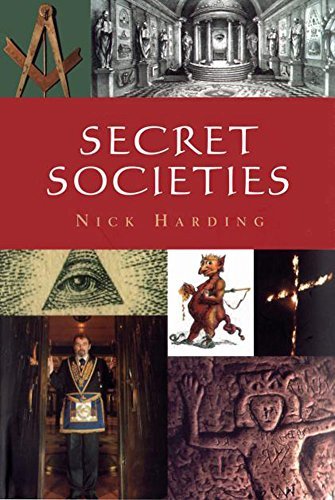
They generate fear, suspicion, and—above all—fascination. Secret societies thrive among us, yet they remain shrouded in mystery. Their secrecy suggests, to many, sacrilege or crime, and their loyalties are often accused of undermining governments and tipping the scales of justice.
The Freemasons, for example, hold more seats of power in the U.S. government than any other organization. No fewer than sixteen presidents have declared their Masonic affiliation, and there may have been more. Secret societies have infiltrated pop culture as well. Celebrity members of Kabbalah include Madonna, Demi Moore, and Elizabeth Taylor, among others.
Dispelling myths and providing gripping revelations—such as a direct historical link between the Assassins of the Middle Ages and today’s Al Qaeda—Secret Societies gives us a smart, surprising look at Druids and Gnostics, Wiccans, Roscrucians, and more. Here are intimate details of the best known and often least understood covert organizations.