Beyond Good and Evil challenges conventional moral norms and transcends traditional dichotomies. It delves into the complexities of morality, truth and the nature of power. Nietzsche fearlessly critiques prevailing moralities, advocating for a reevaluation of values and the emergence of a more authentic, individualistic ethos. His incisive prose and profound insights explore the intricacies of human psychology and societal constructs, leaving an indelible mark on philosophy. A thought-provoking and influential text, it continues to inspire scholars and thinkers to question established beliefs and engage in a fearless pursuit of truth.
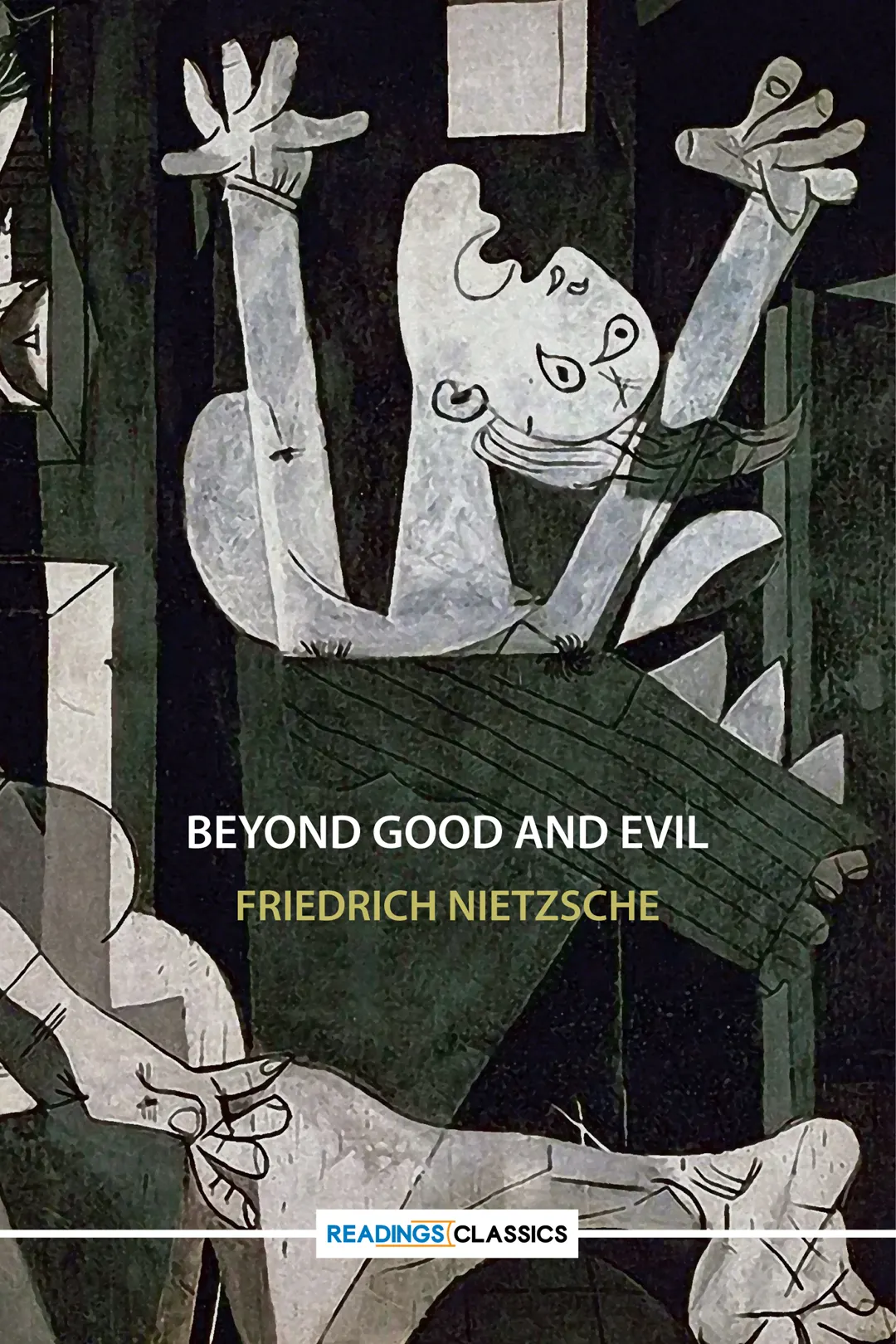
Beyond Good and Evil (Readings Classics)
₨ 450
“Supposing that truth is a women—what then?” This is the very first sentence in Nietzsche’s Beyond Good and Evil.Not very often are philosophers so disarmingly explicit in their intention to discomfort the reader. In fact, one might say that the natural state of Nietzsche’s reader is one of perplexity. Yet it is in the process of overcoming the perplexity that one realizes how rewarding to have one’s ideas challenged. In Beyond Good and Evil, Nietzsche critiques the mediocre in modernity and challenges the reader to accept their state of becoming and accept improvisation and creativity of the process. Nietzsche’s book is carefully designed to disorient the reader, to systematically provoke and tease her to the point of stealing away her certainties. It is challenging yet rewarding to overcome the perplexities of Nietzsche’s teachings.