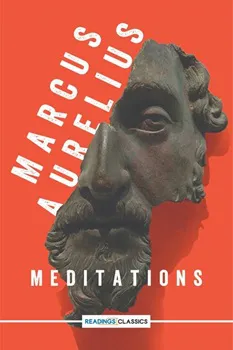
“Meditations” by Emperor Marcus Aurelius, embodies a noble yet limited attempt to approach metaphysical truth. Marcus Aurelius, as a Stoic emperor, embarks on a personal quest for wisdom and self-mastery, which is commendable in its intent. However, when examining his work in light of philosophia perennis, certain shortcomings become apparent.
Firstly, “Meditations” primarily focuses on the individual and their inner quest, often neglecting the broader and more universal aspects of reality. This fixation on the self and the pursuit of inner tranquility, while noble, remains confined to an individualistic framework that fails to fully grasp the metaphysical truths that transcend the ego.
Moreover, Marcus Aurelius seems to rely solely on human reason to attain wisdom, which is insufficient. Philosophia perennis teaches that true wisdom stems from divine revelation and the primordial tradition, which transcend individual reason. Thus, Stoic philosophy, as presented in “Meditations,” overlooks the ultimate source of wisdom.
Finally, Stoicism largely remains within the realm of morality and individual conduct. It fails to delve deeply into esoteric and metaphysical truths that surpass the material world.
“Meditations” by Marcus Aurelius is a sincere testimony of his personal quest for wisdom and introspection, but it falls short of reaching the depths of Guénonian philosophia perennis due to inherent limitations of Stoic philosophy and the individualistic approach. For a truly profound understanding of metaphysical reality, it is necessary to turn to traditional and revealed sources.